

Managing school fees is one of the most important responsibilities of every educational institution. Schools need to collect fees on time, maintain accurate payment records, send reminders to parents, and manage different types of fees throughout the academic year.
However, many schools still depend on manual processes, spreadsheets, paper receipts, and traditional payment methods. These processes can take a lot of time and increase the chances of errors.
This is where School Fee Collection Automation Software becomes useful.
It helps schools manage fee payments digitally, track outstanding balances, generate receipts, and maintain financial records in one place. It also makes the fee payment process easier for parents and reduces the workload of school administration staff.
In this blog, we will explore how fee collection automation works, its important features, benefits, and why modern schools should consider using a digital fee management solution.
What Is School Fee Collection Automation Software?
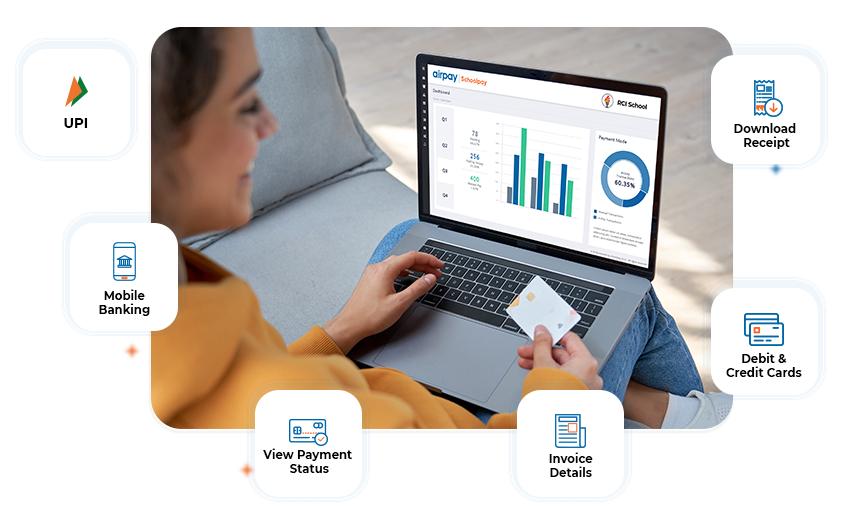
School Fee Collection Automation Software is a digital solution that helps educational institutions manage their fee collection process without depending on manual paperwork.
It allows schools to create fee structures, assign fees to students, track payments, manage pending dues, and generate payment reports.
Instead of maintaining multiple registers or spreadsheets, school administrators can manage important fee-related information through a centralized system.
For example, when a parent pays their child’s school fee, the payment information can be updated in the system. The school can check the payment status, generate a receipt, and maintain the transaction record.
This makes the entire process more organized and transparent.
The software can be useful for:
- Schools and educational institutions
- Private schools
- Coaching centers
- Colleges
- Educational groups with multiple branches
Why Do Schools Need Automated Fee Collection?
Traditional fee collection methods can create several challenges for school management. As the number of students increases, managing payments manually becomes more difficult.
Let’s understand some common problems and how automation can help.
1. Time-Consuming Manual Work
In traditional systems, staff members need to record every payment manually. They may also need to prepare receipts, update registers, and calculate pending fees.
This takes valuable time that could be spent on other administrative activities.
With an automated system, payment records can be maintained digitally, reducing repetitive administrative work.
2. Difficulty in Tracking Pending Fees
Schools need to know which students have paid their fees and which payments are still pending.
When records are maintained manually, checking pending payments can become confusing, especially when there are hundreds or thousands of students.
A digital fee management system makes it easier to identify outstanding payments and maintain updated records.
3. Errors in Payment Records
Manual calculations and data entry can sometimes result in incorrect payment information.
For example, a payment may be recorded twice, a receipt may contain incorrect details, or a student’s pending balance may not be updated properly.
Automation helps reduce such mistakes by maintaining organized digital records and supporting accurate calculations.
4. Difficulty in Communicating With Parents
Parents sometimes forget payment deadlines or may not know about outstanding fees.
Schools need an effective way to share payment information and reminders.
Automated fee management systems can support timely notifications and payment reminders, depending on the available features.
Important Features of School Fee Collection Automation Software
A good fee management solution should include features that make payment management simple for both administrators and parents.
Here are some important features to consider.
1. Digital Fee Structure Management
Every school has different fee categories, such as:
- Admission fees
- Tuition fees
- Examination fees
- Transportation fees
- Library fees
- Annual charges
- Activity fees
Managing these categories manually can become difficult.
With digital fee structure management, schools can create different fee categories and organize payment details according to their requirements.
This makes fee management more systematic.
2. Online Fee Payment Management
Parents prefer convenient payment options that save time and reduce the need to visit the school.
A school fee payment management system can support digital payment methods through integrated payment gateways.
Depending on the payment integration, parents may be able to pay fees using UPI, debit cards, credit cards, or net banking.
Online payments can make the fee collection process more convenient for families and school administration teams.
3. Automatic Fee Receipt Generation
Providing payment receipts is an important part of fee management.
Creating receipts manually for every student can take a lot of time.
Automated software can generate digital payment receipts after successful transactions.
These receipts can help parents and school administrators maintain proper payment records.
4. Pending Fee Tracking
One of the most useful features of fee collection automation is pending fee tracking.
School administrators can check:
- Which students have paid their fees
- Which students have pending payments
- The total amount of outstanding fees
- Payment history of individual students
This helps school management understand its financial position and follow up on pending payments.
5. Automated Payment Reminders
Sending payment reminders manually to every parent is not practical for large schools.
Automated reminder functionality can help schools notify parents about upcoming payment deadlines and overdue fees.
Depending on the software configuration, reminders may be sent through SMS, email, or other supported communication channels.
This can improve communication and help parents stay informed.
6. Fee Reports and Financial Records
Reports are important for understanding school finances.
A good fee management system can provide reports related to:
- Daily fee collection
- Monthly fee collection
- Yearly fee collection
- Pending fee details
- Student payment history
- Fee category-wise collection
These reports help administrators review payment information and make better financial decisions.
How Does Automated School Fee Collection Work?
The working process of school fee collection automation is simple and organized.
Here is a basic example of how it works.
Step 1: Add Student Information
First, the school adds student details to the system, such as name, class, section, admission number, and contact information.
Step 2: Create the Fee Structure
The administrator creates the fee structure according to the school’s policies.
Different fee categories and payment schedules can be configured.
Step 3: Assign Fees to Students
After creating the fee structure, the applicable fees are assigned to students according to their classes or individual requirements.
Step 4: Parents Make Payments
Parents can use the available payment options to complete their child’s fee payment.
The supported payment methods depend on the software and its payment gateway integration.
Step 5: Update Payment Records
Once a payment is successfully processed, the transaction details can be recorded in the system.
This helps administrators maintain updated payment information.
Step 6: Generate Reports
School administrators can review fee collection reports, check pending payments, and monitor financial records from the system.
This organized workflow makes the fee collection process easier to manage.
Benefits of Using School Fee Collection Automation Software
Implementing a digital fee management solution can provide several benefits to schools.
1. Saves Time and Administrative Effort
Automation reduces repetitive tasks such as manual calculations, receipt preparation, and payment record updates.
School staff can spend more time on important administrative responsibilities.
2. Improves Payment Tracking
Digital records make it easier to monitor student payments and outstanding balances.
Administrators can access payment information without searching through multiple registers.
3. Makes Fee Payment Convenient for Parents
Parents can benefit from convenient digital payment options, where supported.
They can complete payments without always visiting the school office.
4. Reduces Manual Errors
Automated calculations and organized transaction records can help reduce mistakes associated with manual data entry.
5. Improves Transparency
Digital receipts and payment histories make it easier for parents and school administrators to verify transactions.
This can improve trust and communication between schools and families.
6. Supports Better Financial Planning
Collection reports help schools understand how much money has been collected and how much remains outstanding.
This information can support better budgeting and financial planning.
7. Makes School Management More Organized
When fee information is maintained in one centralized platform, administrators can manage payment records more efficiently.
It also becomes easier to retrieve historical payment information when needed.
Manual Fee Collection vs Automated Fee Collection
Understanding the difference between traditional and automated fee collection can help schools choose the right approach.
| Manual Fee Collection | Automated Fee Collection |
|---|---|
| Depends heavily on paperwork | Maintains digital records |
| Requires manual calculations | Supports automated calculations |
| Receipts are prepared manually | Digital receipts can be generated |
| Pending fees are checked manually | Pending payments can be tracked |
| Reports take more time to prepare | Reports can be generated digitally |
| Parents may need to visit school | Online payment options may be available |
| Managing large records is difficult | Centralized record management |
The right solution depends on the size of the institution, its requirements, and its existing administrative processes.
How to Choose the Right School Fee Management Software?
Choosing the right software is an important decision for any educational institution.
Before selecting a solution, schools should consider the following points.
1. Easy-to-Use Interface
The software should be simple enough for school administrators and staff members to understand.
A complicated interface can make daily operations difficult.
2. Multiple Payment Options
Check whether the software supports the payment methods preferred by parents.
Also, understand how payment confirmation and transaction records are managed.
3. Accurate Fee Reports
The system should provide useful reports that help administrators monitor collections and pending payments.
4. Data Security
Student and financial information should be protected through appropriate security measures.
Schools should check access controls, data backup options, and security practices before choosing a platform.
5. Scalability
The software should be able to support the school’s future requirements.
For example, if a school plans to add more students or open additional branches, the system should be suitable for that growth.
6. Technical Support
Reliable customer support is important when schools face technical issues or need assistance with software configuration.
Before making a decision, schools should understand the available support options.
Why Digital Fee Management Is Important for Modern Schools
Education is becoming more technology-driven. Schools are adopting digital tools to improve communication, administration, student management, and financial operations.
Fee collection is also an important part of this digital transformation.
A digital fee management solution helps schools reduce paperwork and maintain organized financial records.
It also supports a better experience for parents by making payment information easier to access.
For growing educational institutions, adopting automation can be a practical step toward improving administrative efficiency.
However, schools should choose software according to their actual needs rather than selecting a system only because it offers many features.
How Winggo Soft Can Help Schools Simplify Fee Management
Managing student fees efficiently requires an organized system that supports school administration and financial record management.
Winggo Soft focuses on developing digital software solutions that help organizations improve their day-to-day operations.
For schools looking to improve their administrative processes, a suitable software solution can help organize important information, reduce repetitive work, and support better record management.
When evaluating a school fee management solution, institutions should look for features such as fee structure management, payment tracking, digital receipts, pending fee reports, and convenient payment options.
The right combination of features can help schools create a more organized and efficient fee collection process.
If your institution is planning to move from manual fee management to a digital system, explore the software solutions offered by Winggo Soft and discuss your specific requirements with the team.
Frequently Asked Questions (FAQs)
1. What is school fee collection automation software?
School fee collection automation software is a digital system that helps schools manage student fees, record payments, generate receipts, track pending dues, and maintain financial reports.
2. How does automated fee collection help schools?
It reduces manual administrative work, improves payment tracking, helps maintain organized records, and makes fee management more efficient.
3. Can parents pay school fees online?
Yes, if the school uses software with an integrated online payment gateway, parents may be able to pay through supported digital payment methods such as UPI, cards, and net banking.
4. Can school software track pending fees?
Yes. Fee management software can help administrators identify students with outstanding payments and review their payment history.
5. Does automated fee management generate payment receipts?
Many fee management solutions support automatic digital receipt generation after successful payment transactions.
6. Is school fee management software suitable for small schools?
Yes. Small schools can also benefit from digital fee management because it helps organize payment records and reduces repetitive manual work.
7. How does automated fee collection improve parent satisfaction?
It can make payments more convenient, provide better access to payment information, and help parents receive timely reminders about due dates.
8. What should schools check before buying fee collection software?
Schools should evaluate ease of use, payment gateway integration, reporting features, data security, scalability, and customer support.
Conclusion
Managing school fees does not have to be a complicated and time-consuming process. Traditional methods may work for small institutions, but they can become difficult to manage as student numbers and administrative responsibilities increase.
School Fee Collection Automation Software provides a smarter way to manage fee structures, record payments, track pending dues, generate receipts, and maintain financial reports.
By adopting digital fee management, schools can reduce paperwork, improve administrative efficiency, and provide parents with a more convenient payment experience.
For modern educational institutions, automation is not just about saving time. It is also about creating a more organized, transparent, and efficient school management process.