Winggo Soft

Top Benefits of Technology for NGOs in the Digital Age
Top Benefits of Technology for NGOs in the Digital Age In 2026, the globe moves more quickly than ever before. The need for immediate coordinated responses to climate crises, geopolitical conflict, wealth disparity, and public health emergencies has pushed NGOs to the forefront. But simply being passionate and wanting to help others is no longer feasible. Technology will provide NGOs in 2026 with great advantages and will ultimately serve as the difference between an organization surviving and one that effectively expands its impact. Technology will affect how NGOs will raise money, work together, operate, and achieve results, and includes everything from engaging donors through A.I. to monitoring work done in the field through satellites. This guide identifies all of the major benefits of technology and outlines the relevant tools and trends and real-world applications for 2026. Why Technology Is Non-Negotiable for NGOs The nonprofit sector has changed dramatically. Donors today are more digitally sophisticated, more skeptical, and more demanding of proof than ever before. Governments and institutional funders require real-time data, audit trails, and measurable outcomes. Beneficiary communities increasingly expect digital-first service delivery. At the same time, NGOs are operating in a world of AI proliferation, automation, and hyper-connectivity. Organizations that have not yet embraced digital transformation are already falling behind — losing donors to tech-savvy competitors, struggling with manual inefficiencies, and failing to demonstrate impact in ways funders now expect as standard. The good news is that technology today is more accessible, affordable, and powerful than at any previous point in history. There has never been a better time for NGOs to go digital — and the rewards for doing so have never been greater. 1-AI-Powered Communication and Outreach The means of communicating have evolved rapidly from the early days of the digital age to today — in addition to being digital, today’s communication is also becoming intelligent. Just as AI has transformed the way NGOs use technology to expand their outreach, it has also supercharged the benefits for these organizations. Generative AI and Content Creation The use of tools like Claude, ChatGPT, and Gemini by an NGO’s communications department allows them to generate high-quality content for blogs, donor newsletters, grant proposals, annual reports, and social media in a fraction of the time that it took before AI. Now, a single staff member, with AI assistance, can perform the job of an entire communications department. Hyper-Personalized Email Marketing Campaigns AI-powered email marketing platforms are capable of doing much more than just segmenting your donor base by demographic traits. Nonprofits using platforms like ActiveCampaign and HubSpot for Nonprofits can now use predictive behavioral data to switch up messages based on what day and time a donor is most likely to open an email in order to increase the open rate, CTR, and Donation conversion rate. Short-form Video (and Reels) The single most effective organic outreach channel for NGOs to connect with supporters is through the use of short-form video on platforms like Instagram Reels, YouTube Shorts, and TikTok for Good. By consistently posting authentic 30–90 second impact videos, NGOs are building large communities of supporters without using any paid advertising typically needed to accomplish this. Voice (And Conversational) AI Many of the world’s leading NGOs are utilizing voice AI tools to provide donor thank you calls, check in with their volunteers, and 2-Next-Generation Digital Fundraising Fundraising methods have evolved tremendously within just the past few years. Technological advancements have had a profoundly positive impact on fundraising for non-profit organizations by providing access to revenue streams that had previously not been available to charitable groups run by prior generations of non-profit leaders. Many organizations are utilizing platforms such as Donorbox and Fundraise Up to generate personalized donation page layouts, suggested donation amounts, and messaging based upon information gathered from users. By using real-time artificial intelligence to tailor donation pages, these platforms have seen increasing rates of conversion. Given that cryptocurrency/digital currency donations made through platforms such as The Giving Block are rapidly becoming mainstream, non-profit organizations that accept donations of Bitcoin, Ethereum, and stablecoins are tapping into the next generation of wealthy individuals looking to donate. While many social media platforms such as Instagram and YouTube have created native donation buttons within their applications, non-profit organizations have found great success in soliciting donations directly through these forms of social media without directing donors to third-party applications. Organizations that use subscription-based donation models supported by automated tools are experiencing tremendous overall revenue growth. Unlike traditional fundraisers who relied upon one-time donations or collected funds from individual donors, these organizations benefit from having reliable sources of ongoing revenue that allows them to plan and budget for sustainable programs in the future. In addition to implementing contemporary methods for fundraising, an increasing number of professional organizations are relying on QR codes linked to instant donation pages from mobile phones in order to solicit donations at events, field locations, and through printed materials. Professional NGO organizations have mostly phased out of using cash as a means of collecting donations. 3. Real-Time Data Management and Advanced Impact Measurement The foundation upon which all NGOs rely when producing credible, accurate work is undoubtably based upon data. Funders no longer accept just anecdotal evidence as reason to provide funds; they want to see dashboards, data pipelines and verified metrics regarding each organization’s impact in order to support continued funding. Access to this type of information is among the most significant benefits technology has given NGOs to date. AI-Driven Customer Relationship Management and Donor Intelligence Modern CRMs for nonprofits have AI functionality built in — such as Salesforce Nonprofit, Bloomerang — that give nonprofits the ability to automatically score their donors (how likely they are to give), predict their churn risk, recommend the “best” ask amount, and flag potential relationship risks — thus giving NGOs a real strategic advantage in succeeding with fund development. Mobile First Data Collection in the Field KoBoToolbox, ODK and CommCare are enabling field staff who may be working in some of the most

Top Benefits of Technology for NGOs in the Digital Age Read More »

How Small NGOs Can Go Digital

How Small NGOs Can Go Digital The life-changing impacts of cutting-edge video technology can not only affect the way organizations do business and communicate but also the way they grow. This has become extremely important for non-profit organizations, especially for small non-governmental organizations (NGOs), as they can become much more efficient, increase their visibility in the community, have a greater number of donors, and have a higher level of social impact simply by going digital. As many small NGOs still focus on “old-fashioned” ways of raising money (i.e., offline fundraising), keeping records by hand, and using only local means of outreach, these techniques — while still valuable — will typically limit the NGO’s capacity to scale and grow out its operations across a larger area. Going digital doesn’t have to be expensive or require a lot of technical expertise; with the necessary tools and strategies, even small NGOs can implement digital solutions that enhance their overall operations and enable them to extend their outreach beyond the local community. In the following sections of this article, we will explore several ways that small NGOs can digitally transform their organizations, including the most convenient tools, strategies available, benefits of digital transformation, and what steps to follow to get started on your digital transformation journey. Why Digital Transformation is Important for Small NGOs Digital transformation enables small NGOs to operate more efficiently and connect with supporters more effectively. Expanding Reach A digital presence allows NGOs to reach supporters, donors, and volunteers beyond their local communities. Through websites, social media platforms, and online campaigns, organizations can share their mission with people across the country or even globally. Improving Fundraising Opportunities Online fundraising platforms enable NGOs to collect donations easily and securely. Digital payment systems allow donors to contribute quickly through mobile phones or computers. Enhancing Communication Digital tools such as email newsletters, messaging platforms, and social media channels help NGOs communicate regularly with supporters and stakeholders. Increasing Transparency Digital platforms make it easier for NGOs to share reports, project updates, and impact stories with donors, building trust and credibility. Key Steps for Small NGOs to Go Digital Build a Professional Website A website is the digital foundation of any nonprofit organization. It acts as the organization’s online identity and provides information about its mission, programs, and achievements. A good NGO website should include: A professional website also improves search engine visibility and helps attract potential donors. Use Social Media Platforms Social media platforms are powerful tools for raising awareness and engaging supporters. Small NGOs can use platforms such as: These platforms allow organizations to share updates, success stories, volunteer activities, and fundraising campaigns. Consistent posting and storytelling can significantly increase public engagement. Implement Online Fundraising Online fundraising allows NGOs to collect donations quickly and reach a larger audience. Some effective online fundraising methods include: By providing easy donation options, NGOs can encourage more people to support their cause. Use Email Marketing Email marketing is a powerful communication tool for nonprofits. NGOs can send regular newsletters to donors and supporters with updates about: Email communication helps maintain long-term relationships with donors. Adopt Cloud-Based Tools Cloud technology allows NGOs to manage documents, data, and communication efficiently. Popular cloud tools include: These tools help teams collaborate remotely and organize information securely. Digital Tools Every Small NGO Should Use To successfully transition into the digital world, small NGOs should adopt certain essential digital tools. Donor Management Software Donor management systems help organizations track donations, manage donor relationships, and analyze fundraising campaigns. Project Management Tools Project management software helps NGOs organize tasks, monitor progress, and coordinate team activities. Social Media Scheduling Tools Scheduling tools allow NGOs to plan and automate social media posts, ensuring consistent online engagement. Online Communication Platforms Tools such as video conferencing platforms help NGOs conduct meetings, webinars, and training sessions remotely. Benefits of Going Digital for NGOs Digital transformation provides several advantages for nonprofit organizations. Increased Efficiency Automation of administrative tasks saves time and allows staff members to focus on mission-driven work. Better Data Management Digital systems help NGOs organize and analyze data more effectively. Stronger Donor Relationships Regular digital communication strengthens connections with supporters and donors. Greater Transparency Digital reports and updates improve accountability and build trust among stakeholders. Challenges Small NGOs May Face Despite the benefits, small NGOs may encounter challenges during the digital transformation process. Limited Budget Many nonprofit organizations operate with limited financial resources. However, several digital tools offer nonprofit discounts or free plans. Lack of Technical Skills Some NGOs may lack staff members with technical expertise. Training programs and partnerships with digital professionals can help overcome this challenge. Resistance to Change Transitioning from traditional methods to digital systems may initially face resistance. Gradual implementation and proper training can help ease this transition. Best Practices for Digital Transformation Small NGOs should follow certain best practices to ensure successful digital adoption. Start with a Digital Strategy Organizations should define clear digital goals and identify the tools needed to achieve them. Train Staff and Volunteers Providing digital training helps team members use technology more effectively. Focus on Storytelling Sharing real-life stories of beneficiaries helps inspire donors and supporters. Measure Digital Performance Tracking metrics such as website traffic, social media engagement, and fundraising results helps NGOs evaluate their digital efforts. Future of Digital NGOs Nonprofit organizations will rely heavily on technology’s support over time, whether it is through AI (artificial intelligence), Blockchain technology, or data analytics. New technological advances will enable nonprofits to streamline their operations and main processes. Nonprofit organizations are able to use digital tools to reach more people, be more transparent, and create the greatest amount of impact possible. In order to be ready for social issues in the future and to make real change in the future, small nonprofits need to adopt digital transformation now. Conclusion To grow and remain sustainable, small non-profit organisations must go through digital transformation which means utilising digital tools including websites, social media platforms, online fundraising systems, and cloud-based technologies to improve their operations

How Small NGOs Can Go Digital Read More »

Online Fundraising Ideas for NGOs

Online Fundraising Ideas for NGOs Fundraising has progressed greatly through technology over the last decade or so. Many of the traditional ways of raising money like going door to door or holding events away from home are still valuable but now there are many powerful tools that enable organisations to reach larger audiences and get more people involved in donating money. Online fundraising allows non-profit organisations and NGOs (Non-Governmental Organisations) to raise donations globally by reaching out to people interested in supporting them, telling people about their cause, and collecting donations through digital means such as the internet. This growing trend makes it possible for non-profit organisations and NGOs to raise money in ways that they never could have imagined before. By creating the best online fundraising tactics, non-profit organisations can increase engagement with donors, enhance their level of transparency, and allow them to achieve their missions efficiently. This article will illustrate the best online fundraising ideas for NGOs, explain how to maximise donations, and establish long-term donor relationships. Why Online Fundraising is Important for NGOs Online fundraising offers numerous benefits that help nonprofit organizations expand their reach and improve their impact. Wider Audience Reach The internet allows NGOs to reach donors globally. Unlike traditional fundraising methods that are limited to local communities, online campaigns can attract supporters from different cities and countries. Lower Fundraising Costs Digital fundraising campaigns are often more cost-effective than organizing physical events. NGOs can save money on venue, logistics, and printed materials while still reaching thousands of potential donors. Faster and Easier Donations Online donation platforms make it easy for donors to contribute within seconds using mobile payments, credit cards, or digital wallets. Better Donor Engagement Digital tools such as email newsletters, social media campaigns, and websites allow NGOs to stay connected with donors and keep them informed about their impact. Top Online Fundraising Ideas for NGOs 1. Crowdfunding Campaigns Crowdfunding is one of the most popular online fundraising methods for NGOs. It allows organizations to raise small donations from a large number of people. Platforms like crowdfunding websites help NGOs share their mission, explain their goals, and encourage supporters to donate. To run a successful crowdfunding campaign: Crowdfunding campaigns are particularly effective for emergency relief, education programs, healthcare initiatives, and community development projects. 2. Social Media Fundraising Social media platforms such as Facebook, Instagram, and LinkedIn are powerful tools for nonprofit fundraising. NGOs can use social media to: Using hashtags, live sessions, and storytelling can help increase the visibility of fundraising campaigns. 3. Online Donation Pages Every NGO website should have a dedicated online donation page where supporters can easily contribute. A good donation page should include: Adding recurring donation options can help NGOs receive consistent monthly support. 4. Virtual Fundraising Events Virtual events are becoming increasingly popular for online fundraising. Examples include: These events allow NGOs to engage donors without geographical limitations. 5. Email Fundraising Campaigns Email marketing remains one of the most effective fundraising tools for nonprofit organizations. NGOs can send personalized email campaigns to donors, highlighting: A well-written email campaign can inspire supporters to donate and share the cause with others. 6. Peer-to-Peer Fundraising Peer-to-peer fundraising encourages supporters to raise funds on behalf of the NGO. Supporters create their own fundraising pages and invite friends and family to contribute. This strategy helps expand the reach of fundraising campaigns. For example, volunteers can raise funds during birthdays, marathons, or special events. 7. Online Charity Auctions Online auctions allow donors to bid on items such as artwork, experiences, or products, with the proceeds supporting the nonprofit organization. This strategy creates excitement and encourages donors to participate in fundraising activities. 8. Membership Programs NGOs can create membership programs where supporters contribute monthly or yearly donations in exchange for benefits such as: Membership programs help create long-term relationships with donors. 9. Digital Merchandise Sales Selling branded merchandise online is another effective fundraising strategy. NGOs can sell: These products not only generate funds but also promote the organization’s mission. 10. Storytelling Campaigns Storytelling is one of the most powerful tools in nonprofit fundraising. Sharing real-life stories of people impacted by the organization’s work helps donors understand the importance of their contributions. Compelling stories build emotional connections and inspire people to support the cause. Tips to Run a Successful Online Fundraising Campaign Create a Strong Campaign Message Clearly explain the purpose of the fundraising campaign and how donations will be used. Use Visual Content Photos and videos help communicate the organization’s mission and impact more effectively than text alone. Optimize for Mobile Donations Many donors contribute through smartphones. Ensuring that donation pages are mobile-friendly is essential. Provide Transparency Regular updates about how funds are used help build trust with donors and supporters. Encourage Social Sharing Ask supporters to share fundraising campaigns with their networks to increase visibility. Common Challenges in Online Fundraising Although online fundraising offers many advantages, NGOs may face certain challenges. Competition for Attention With many organizations running digital campaigns, it can be difficult to stand out. Creative storytelling and unique campaigns can help attract attention. Donor Trust Building trust is essential for successful fundraising. NGOs must ensure transparency, secure payment systems, and regular communication. Technical Limitations Some organizations may lack the technical expertise to manage digital platforms. Training and partnerships with digital professionals can help overcome this issue. Future of Online Fundraising for NGOs The future of nonprofit fundraising will continue to be driven by technology. Emerging trends include: NGOs that embrace digital innovation will be able to attract more supporters and create greater social impact. Conclusion NGOs have revolutionized their ability to collect donations through digital channels. With the help of the internet, social networking, and collectively creating many unique campaigns, it is possible to reach a broad global base and maximize donation potential. There are many ways for NGOs to enhance their fundraising capabilities by using online fundraising methods, such as crowdfunding, using virtual events to reach an audience, peer-to-peer fundraising, and telling a story about their mission or project. When

Online Fundraising Ideas for NGOs Read More »

Digital Transformation for Nonprofit Organizations

Digital Transformation for Nonprofit Organizations It is essential for non-profit organizations to keep up with the latest technology in today’s fast-paced world. Digital transformation has moved beyond just corporations, and it is equally critical for nonprofit organizations and NGOs. Digital transformation for non-profit organizations means using digital technology in every aspect of your organization, including but not limited to fundraising, communication, volunteer management, delivering programs, and analyzing data efficiently; to help nonprofits operate more effectively, broaden their outreach, and create a greater impact. With increased competition for resources and attention, non-profits need to use innovative methods to attract donors, engage volunteers, and deliver services effectively through digital transformation. This will enable non-profits to improve their operational efficiencies, better engage with their stakeholders, and achieve lasting social change. This article will discuss the significance of digital transformation within the context of non-profits, including the advantages of digital transformation for nonprofits, the various strategies and approaches available to nonprofits when implementing digital transformation initiatives, as well as providing examples of success stories from non-profit organizations who have implemented digital transformation initiatives successfully. What is Digital Transformation for Nonprofit Organizations? Digital transformation for nonprofits involves adopting modern technologies and digital strategies to improve operational efficiency and mission impact. It goes beyond simply using computers or social media; it involves transforming the entire organizational workflow through technology. This transformation includes: For nonprofit organizations, digital transformation helps improve transparency, accountability, and communication with donors, supporters, and communities. Why Digital Transformation is Important for NGOs Nonprofit organizations have increased their reach and made their missions known through digital tools. Nonprofits now utilize websites, social media, and other digital means as a medium to communicate their mission and their programs to a wider audience of potential supporters. One of the best ways for nonprofits to reach potential supporters is through a great website along with an active social media presence. An excellent website and strong social media following could spark interest in a potential supporter, donor, or volunteer who otherwise may never have known the nonprofit existed. Digital Fundraising Platforms have changed the way nonprofits fundraise. Online donations and crowdfunding have changed how and when organizations receive charitable contributions; donation transactions are completed quickly that are safe and secure. Donors are requesting to fulfill their giving preferences via the following methods: By using these types of digital fundraising tools, nonprofits have made collecting contributions more efficient and more affordable to do. Digital Transformation has enabled organizations to communicate with their supporters through longer and more personalized emails, newsletters, social media updates, etc. Digital transformation has enabled organizations to use CRM and donor management systems to track donor behavior, preferences and contributions to develop individualized engagement strategies for each donor. Key Benefits of Digital Transformation for Nonprofit Organizations 1. Operational Efficiency Technology helps automate repetitive tasks such as record keeping, reporting, and volunteer coordination. Automation saves time and allows staff members to focus on mission-driven activities. For example: These solutions help reduce administrative workload. 2. Enhanced Transparency and Accountability Transparency is crucial for building trust with donors and stakeholders. Digital systems allow nonprofits to track funds, publish reports, and share updates about projects. Many organizations now provide: These efforts increase donor confidence and credibility. 3. Data-Driven Decision Making Digital transformation enables nonprofits to collect and analyze data about programs, donors, and community needs. With proper data analytics, organizations can: Data-driven insights help nonprofits make smarter strategic decisions. Essential Digital Tools for Nonprofit Organizations To successfully implement digital transformation, nonprofits should adopt several key technologies. 1. Nonprofit Website A professional website acts as the digital headquarters of an organization. It provides information about the mission, programs, events, and donation opportunities. Essential website features include: A well-optimized website also improves search engine visibility. 2. Donor Management Software Donor management tools help nonprofits organize donor data and track contributions. Popular features include: This software improves donor relationships and fundraising efficiency. 3. Social Media Platforms Social media is a powerful tool for nonprofit organizations to raise awareness and connect with supporters. Platforms such as Facebook, Instagram, LinkedIn, and YouTube allow nonprofits to share stories, showcase impact, and promote campaigns. Social media can help NGOs: 4. Cloud-Based Collaboration Tools Cloud platforms allow nonprofit teams to collaborate from anywhere. These tools help manage documents, communication, and project planning. Examples include: These solutions improve teamwork and efficiency. Digital Marketing Strategies for Nonprofits Digital marketing plays a crucial role in the success of nonprofit organizations. Effective marketing strategies help NGOs reach donors and supporters online. Content Marketing Creating valuable content such as blogs, success stories, and impact reports helps educate audiences about the organization’s mission. Content marketing improves: Email Marketing Email marketing remains one of the most effective ways to communicate with supporters. Nonprofits can send: Regular communication keeps donors engaged and informed. Search Engine Optimization (SEO) SEO helps nonprofit websites rank higher on search engines like Google. Effective SEO strategies include: SEO helps organizations attract organic traffic and potential donors. Challenges in Digital Transformation for Nonprofits Although digital transformation offers many benefits, nonprofit organizations may face several challenges during implementation. Limited Budget Many nonprofits operate with limited financial resources, making it difficult to invest in advanced technology. However, many tech companies provide discounted or free tools specifically for nonprofits. Lack of Technical Expertise Small nonprofit organizations may not have dedicated IT teams. Training staff members and hiring digital experts can help overcome this challenge. Resistance to Change Transitioning from traditional processes to digital systems may face resistance from staff or volunteers. Proper training and awareness can help organizations adapt more easily. Best Practices for Successful Digital Transformation Nonprofit organizations should follow certain best practices to ensure successful digital transformation. Develop a Clear Digital Strategy Organizations should define clear goals and objectives before implementing digital tools. Invest in Training Providing training programs helps staff members understand and use new technologies effectively. Focus on User Experience A simple and user-friendly website encourages visitors to engage, donate, and support the organization. Measure Results Tracking digital performance metrics

Digital Transformation for Nonprofit Organizations Read More »

Website Features Every NGO Must Have

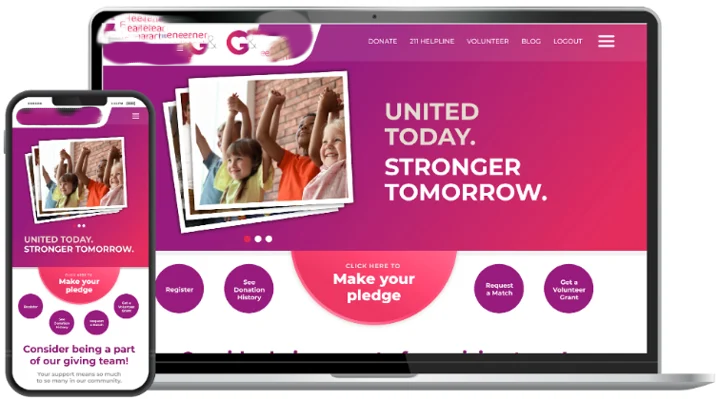
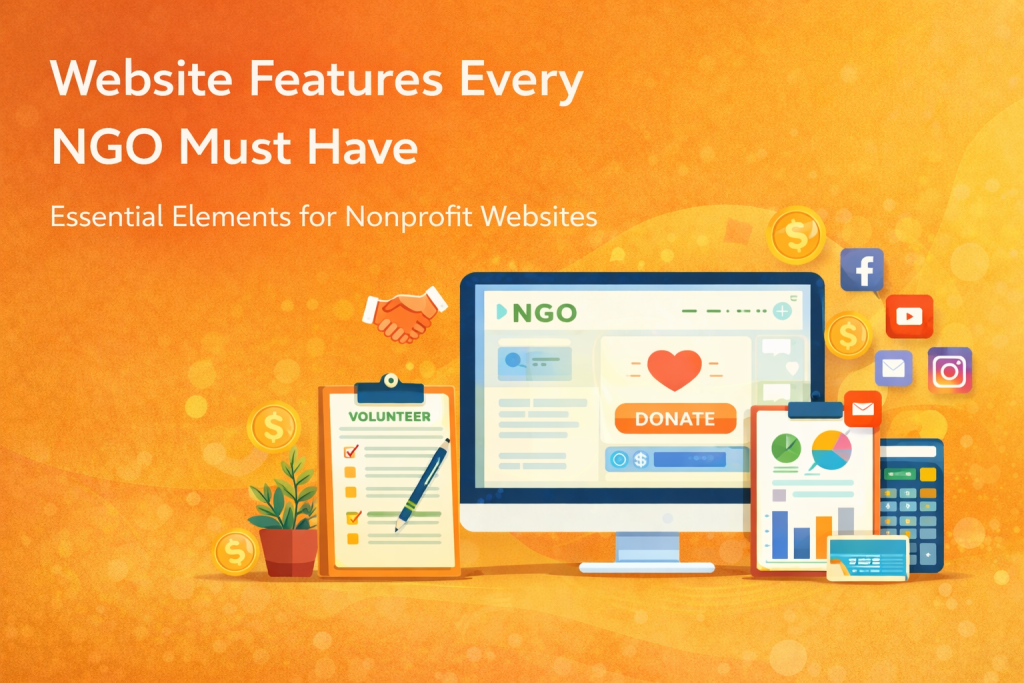
A well-put-together NGO Web site will not only give information regarding an organization but also allow an organization to establish credibility with its supporters, communicate with them effectively, and convert them into donors. A functional NGO Web site allows the organization to communicate its mission transparently and reach potential supporters beyond physical limitations. Some NGO Websites Do Not Achieve Their Objectives – Many NGOs have not accomplished their purpose of building credibility and attracting new supporters. Several NGO Websites do not have features that would accomplish these goals and lead to increased donations. The purpose of this guide is to highlight the features that all NGOs should have to establish credibility, increase their ability to raise money on the Internet, and increase the impact of their work on the Internet. Why NGOs Need a Strong Website Before exploring the essential features, it is important to understand why a website is necessary for NGOs. In the past, NGOs depended mainly on local campaigns, printed materials, and community events to reach supporters. Although these methods still have value, digital platforms now play a major role in connecting organizations with donors and volunteers. A website acts as the digital identity of an NGO. It allows people to learn about the organization anytime and from anywhere. Key Benefits of Having an NGO Website Therefore, NGOs that invest in strong websites often experience greater engagement and support. Clear Mission and Vision Section Every NGO website must clearly explain its mission and vision. Visitors should immediately understand what the organization stands for and what problems it aims to solve. A clear mission statement helps donors and supporters connect emotionally with the cause. What to Include in This Section Additionally, the language should be simple and inspiring so that visitors quickly understand the purpose of the organization. Online Donation System Having an online donation system is one of the most crucial aspects of a website for all nonprofits if someone cannot donate securely and easily, they may not be inclined to support the cause. Every nonprofit needs to have a clearly labelled Donate Now button that can be found easily on the homepage as well as on other pages throughout the website. A donation system should include the following features: The easier it is to donate through your website, the more money will be given to your nonprofit. Volunteer Registration Form Volunteers are the backbone of many nonprofit organizations. A volunteer registration feature allows interested individuals to easily join your cause. Your website should include a dedicated Volunteer Page where people can sign up and participate in your activities. The form should collect information such as: This feature helps NGOs build a strong volunteer network and organize events more effectively. Project and Program Pages Visitors want to see what your NGO is actually doing. A dedicated section for projects and programs allows you to showcase your work and achievements. Each project page should include: For example, if your NGO runs education programs, you can display information about schools, scholarships, or training initiatives. Showing real results increases credibility and encourages people to support your work. Impact Stories and Testimonials Storytelling is a powerful way to connect with supporters. Impact stories show how your NGO is making a real difference in people’s lives. Instead of just presenting statistics, share real stories of individuals or communities that benefited from your programs. Include: These stories inspire trust and motivate visitors to get involved. Photo Gallery and Media Section Images and videos help visitors visualize your work. A photo gallery or media section can highlight events, campaigns, and field activities. This section should include: Visual content makes your website more engaging and demonstrates transparency in your work. Blog or News Section A blog or news section keeps your website active and informative. It allows NGOs to share updates, success stories, awareness campaigns, and educational content. Regular blog posts also improve SEO and help your website appear in search engine results. Some blog topic ideas include: Consistently publishing content helps your NGO build authority and attract more visitors. Contact Information Every NGO website must include a clear and accessible contact page. Supporters, donors, and partners should be able to reach your organization easily. Your contact page should include: Adding social media links also allows visitors to connect with your NGO on different platforms. Transparency and Financial Reports Transparency is extremely important for nonprofit organizations. Donors want to know how their contributions are being used. Your website should include: Providing transparent information builds trust and encourages long-term support from donors and partners. Mobile-Friendly Design Today, a large number of users browse websites on mobile devices. If your NGO website is not mobile-friendly, visitors may leave quickly. A responsive website design ensures that your website works smoothly on smartphones, tablets, and desktops. Mobile-friendly websites provide: This feature is essential for modern NGO websites. Social Media Integration Social media platforms are powerful tools for spreading awareness and engaging supporters. Integrating social media into your website allows visitors to follow and share your content easily. Your website should include: Platforms like Facebook, Instagram, and Twitter can help NGOs reach a wider audience and promote campaigns effectively. Newsletter Subscription A newsletter subscription feature allows NGOs to stay connected with supporters. Visitors can subscribe to receive updates about projects, events, and fundraising campaigns. Email newsletters help maintain long-term relationships with donors and volunteers. Benefits of newsletters include: Fast Loading Speed Website speed is an important factor for both user experience and SEO. Slow websites can frustrate visitors and reduce engagement. To improve loading speed, NGOs should: A fast website keeps visitors engaged and improves search engine rankings. Strong Call-to-Action (CTA) A call-to-action encourages visitors to take the next step, such as donating, volunteering, or contacting your organization. Examples of effective CTAs include: These buttons should be visible and strategically placed throughout the website. Conclusion A well-designed website is one of the most powerful tools for NGOs in the digital age. It helps organizations build credibility, attract donors, recruit

Website Features Every NGO Must Have Read More »

Digital Marketing Strategies for NGOs in India

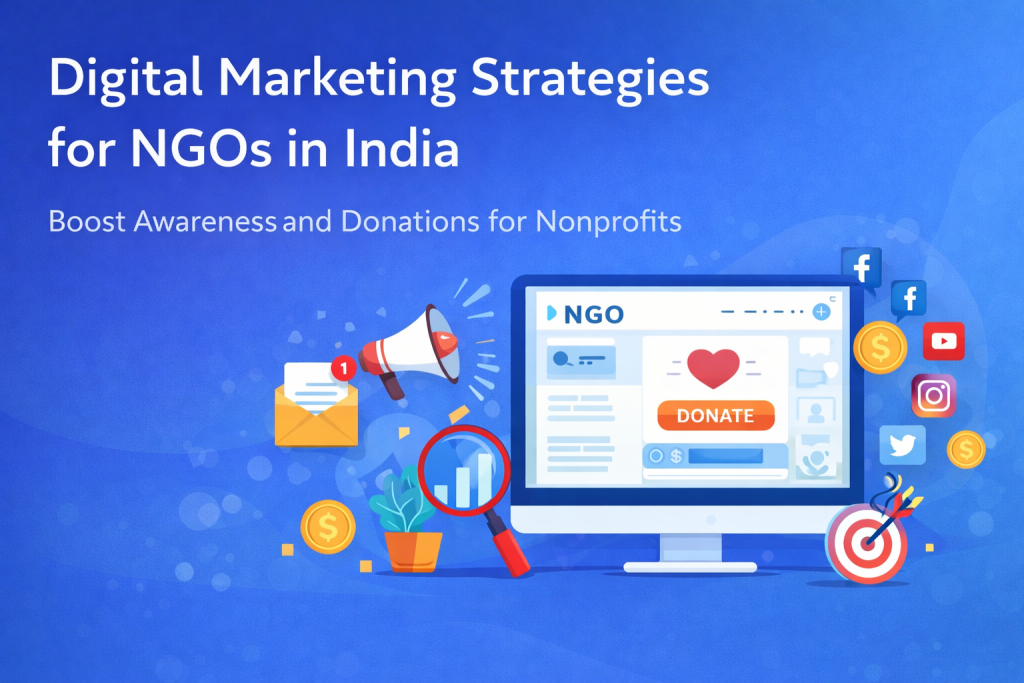
Digital marketing has become an essential tool for non-governmental organizations (NGOs) in India. In the past, NGOs relied mainly on offline events, local campaigns, and word-of-mouth promotion to reach supporters. However, the digital revolution has changed how people discover and support social causes. Today, donors, volunteers, and partners search online before engaging with any organization. Therefore, NGOs must develop strong digital marketing strategies to expand their reach and build trust. Digital marketing allows NGOs to communicate their mission, showcase their impact, and attract supporters from across the country and even globally. With the right strategies, even small NGOs can grow their visibility and fundraising opportunities. In this guide, we will explore the most effective digital marketing strategies for NGOs in India that help organizations increase awareness, gain supporters, and improve online donations. Why Digital Marketing Is Important for NGOs Digital marketing helps NGOs connect with a larger audience while using cost-effective tools. Unlike traditional marketing methods, digital channels allow organizations to communicate directly with supporters. Key Benefits of Digital Marketing for NGOs Moreover, digital platforms make it easier to share stories, impact reports, and campaign updates. As a result, NGOs that adopt digital marketing strategies often experience faster growth and stronger supporter relationships. Build a Professional NGO Website A professional website is the foundation of any successful digital marketing strategy. Most people research an organization online before deciding to support it. Therefore, NGOs must have a well-designed website that clearly communicates their mission and work. Essential Features of an NGO Website Additionally, the website should be mobile-friendly and easy to navigate. A professional website increases credibility and encourages visitors to trust the organization. Use Search Engine Optimization (SEO) Search Engine Optimization (SEO) helps NGOs appear in search results when people look for social causes or charities. For example, if someone searches for charity organizations in India, SEO helps relevant NGOs appear on Google. Benefits of SEO for NGOs To improve SEO, NGOs should publish informative blog articles, optimize keywords, and update website content regularly. Furthermore, consistent SEO efforts help NGOs build authority in their field. Leverage Social Media Marketing Social media platforms are powerful tools for nonprofit organizations. They allow NGOs to reach thousands of people instantly and share their mission with a wider audience. Best Social Media Platforms for NGOs Facebook: Ideal for campaigns and community engagementInstagram: Perfect for visual storytelling and awarenessLinkedIn: Useful for networking and partnershipsYouTube: Great for impact videos and documentaries Moreover, regular posting helps NGOs stay connected with their supporters. By sharing real stories, campaign updates, and beneficiary experiences, NGOs can inspire more people to participate in their mission. Create Engaging Content Content marketing plays a major role in digital marketing success. NGOs should regularly share meaningful content that highlights their social impact. Types of Content NGOs Can Create In addition, storytelling helps donors understand how their contributions create real change. Consequently, engaging content encourages supporters to donate and share the organization’s work with others. Use Email Marketing to Build Relationships Email marketing remains one of the most effective digital marketing tools for NGOs. It allows organizations to maintain communication with donors and volunteers. Effective Email Marketing Strategies Furthermore, personalized emails make supporters feel valued and appreciated. As a result, email marketing often increases repeat donations and long-term engagement. Run Online Fundraising Campaigns Online fundraising campaigns help NGOs collect donations more effectively. These campaigns create urgency and encourage people to support a specific cause. Examples of Fundraising Campaigns Additionally, campaign pages should clearly explain the goal and expected impact. When donors understand how their contributions will help, they are more likely to donate. Build Trust Through Transparency Transparency is one of the most important factors in nonprofit fundraising. Supporters want to know how their money is used. Ways NGOs Can Show Transparency Moreover, transparent organizations gain stronger credibility and donor loyalty. Trust encourages people to support NGOs repeatedly. Use Video Marketing Video content is becoming increasingly popular in digital marketing. Videos help NGOs show their work in a powerful and emotional way. Types of Videos NGOs Can Create Furthermore, videos are highly shareable on social media platforms. Consequently, video marketing can significantly increase engagement and awareness. Collaborate With Influencers and Communities Influencer partnerships can expand an NGO’s reach dramatically. Social media influencers often have large audiences that trust their recommendations. Collaboration Opportunities Additionally, partnerships with local businesses and community leaders can strengthen support networks. Such collaborations help NGOs reach new audiences and gain credibility. Use Data and Analytics Digital marketing platforms provide valuable insights into audience behavior. NGOs can use analytics tools to improve their marketing strategies. Important Metrics to Track By analyzing this data, NGOs can understand which campaigns work best. Therefore, data-driven decisions help organizations optimize their marketing efforts. Mobile Optimization Is Essential In India, most internet users access websites through smartphones. Therefore, NGOs must ensure their websites and campaigns are mobile-friendly. Mobile Optimization Tips Mobile-friendly websites provide better user experiences and improve donation success rates. Encourage Volunteer Participation Volunteers play a vital role in promoting NGO activities. Digital marketing platforms help NGOs recruit and engage volunteers effectively. Volunteer Engagement Ideas Moreover, volunteers often become long-term supporters and ambassadors for the organization. Future of Digital Marketing for NGOs in India Digital marketing continues to evolve rapidly. NGOs that adopt new technologies early can gain significant advantages. Emerging Trends Furthermore, digital storytelling and personalized campaigns will become even more important in the future. Organizations that invest in digital innovation will be better positioned to create long-lasting social impact. Conclusion Digital marketing has become a powerful tool for NGOs in India to grow their influence and attract supporters. By building a professional website, using social media platforms, creating meaningful content, and optimizing their digital presence, NGOs can significantly increase awareness and donations. Moreover, transparency, storytelling, and strong community engagement help organizations build lasting relationships with supporters. Ultimately, the NGOs that embrace digital marketing strategies today will be able to expand their reach, increase funding opportunities, and create greater social impact in the future.

Digital Marketing Strategies for NGOs in India Read More »